
Decimal odds express total return per unit staked on a successful bet, including the original stake. That distinction avoids a common mistake: confusing return with profit. I use ARS so the arithmetic is easy to follow without currency conversion; every amount is hypothetical. This guide also explains implied probability, market overround and accumulators. Understanding the numbers cannot predict results, but it can reveal a misunderstood slip before acceptance.
Published USD₮ offer; account eligibility and rules apply.
Decimal, fractional and American
Three formats, the same return
Decimal 2.50 equals fractional 3/2 and American +150: a hypothetical ARS 1, 000 stake returns ARS 2, 500, with ARS 1, 500 profit. Negative American odds of −200 equal decimal 1.50. Whatever the format, first convert to decimal and distinguish stake, total return and net profit.
Return = stake × odds. Profit = return − stake. On an ordinary losing single, return is zero and the stake is lost.

Implied probability and overround
Implied probability is 100/odds. A 2.00 price implies 50%; it does not establish a true 50% chance. In a hypothetical two-outcome market with both prices at 1.90, each implies 52.63%. The sum is 105.26%, giving an overround of 5.26 percentage points.
This excess describes market pricing. It does not mean exactly ARS 5.26 is charged on every ARS 100 bet or predict a short session’s loss. Comparison requires every mutually exclusive outcome in the same market at the same time.
How I compare odds without mixing markets
I record event, selection, period, overtime treatment and observation time. “Match winner” may exclude penalties while “to qualify” includes them. I also check bonus-dependent pricing, stake caps and void treatment. Old prices do not justify a current ranking against Bet 365 or Betway. The best price exists only for a specific, contemporaneous comparison.
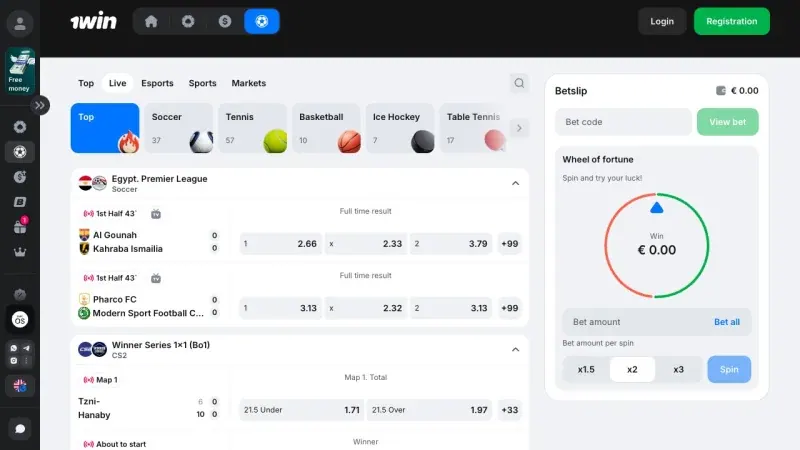
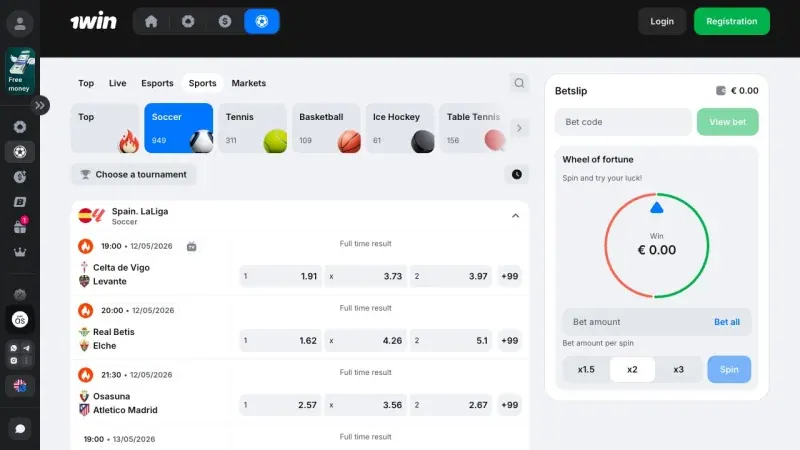
To connect the calculation with the product, review the sports betting slip. If a selection uses promotional funds, the wagering requirement’s calculation base can matter as much as the odds. The resulting amount is still an account balance: withdrawal and verification follow their own steps.
Accumulators: multiplied odds do not guarantee wins
Hypothetical independent selections: 1.50 × 1.80 × 2.00 = 5.40. With ARS 1, 000, potential return is ARS 5, 400 and profit ARS 4, 400. One losing leg loses an ordinary accumulator. A void leg is often treated as 1.00, subject to product rules.
A hypothetical 10% profit boost adds ARS 4, 400 × 10% = ARS 440. It does not apply to the ARS 5, 400 return. This explains arithmetic, not a current promotion. Correlated selections do not allow a simple multiplication of probabilities.
Calculate a bet return
Mathematical example: adjust values to the offer rules. This is not a verified condition or a promise of a result.
Three bet-slip checks
- Check the finally accepted price, especially in play.
- Separate cash balance, bonus and estimated return.
- Read market and void rules before entering a stake.
Cash out, when offered, is another settlement price and may be below your stake. Set a budget before using any calculator. If an attractive-looking result requires a convoluted explanation, I return to the market rule and simplify the decision.
A table separating return and profit
| Hypothetical stake | Odds | Winning return | Profit |
|---|---|---|---|
| ARS 1, 000 | 1.50 | ARS 1, 500 | ARS 500 |
| ARS 1, 000 | 2.00 | ARS 2, 000 | ARS 1, 000 |
| ARS 1, 000 | 3.25 | ARS 3, 250 | ARS 2, 250 |
These calculations assume a winning cash single without extra conditions. Free bets may return profit only; bonuses may require wagering before release. Identify balance type before comparing figures across screens. A void bet refund creates zero net profit, not profit equal to the refunded stake.
Rounding, balance and calculator limits
A calculator applies a formula to the numbers entered. It does not automatically retrieve accepted odds, market caps or bonus rules. If you enter 2.10 but the receipt says 2.05, the difference is the input rather than multiplication. Check how amounts are rounded in the account currency.
The result remains potential until acceptance and settlement. Nor can a calculator derive true probability from an isolated price. For meaningful comparisons, retain the complete market and observation time; for budgeting, use money actually committed rather than expected returns. A hypothetical future profit does not increase today’s available limit.
A look at the catalogue


Frequently asked questions
Does 2.00 double my profit?
It doubles total return: ARS 1, 000 returns ARS 2, 000 with ARS 1, 000 profit.
Is overround my exact loss?
No. It describes market implied probabilities, not your individual result.
Are higher odds automatically better?
No. They offer higher potential return for a usually less likely selection.
Do accumulator odds add together?
Eligible odds generally multiply. Always check the slip’s final price.